
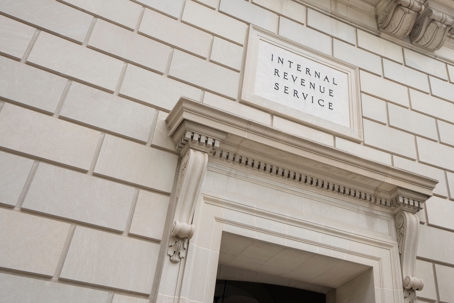
Big news that could affect many in our immigrant community: the IRS has officially agreed to share certain tax information of undocumented immigrants with ICE. This IRS/ICE data-sharing agreement grants immigration enforcers unprecedented access that could be used to aid in deportations. It's a serious development, and understanding your rights and seeking legal guidance is now more important than ever. The Sekou Clarke Law Group is here to help you navigate this challenging situation.
Understanding the Implications of IRS/ICE Data-Sharing
So, what does this agreement actually mean? Essentially, the Department of Homeland Security (DHS) and the IRS have created a formal process that allows ICE to request specific information from the IRS about undocumented immigrants who have received a final deportation order but haven't left the country. This agreement was recently filed in court as part of a lawsuit brought by immigrant rights groups concerned about the legality and ethics of such information sharing.
Under this new memorandum of understanding, ICE can request a taxpayer's name and address, the specific federal criminal statute they are investigating the person for, and an explanation of why the tax information is relevant to that investigation. Reports suggest that this will essentially allow ICE to cross-reference their records with IRS tax filings to obtain current address information.
This move has sparked significant concern among immigrant advocates and even within the IRS itself. The worry is that it represents a major breach of taxpayer privacy, a principle that has historically been respected across political lines. Many fear that this IRS/ICE data-sharing will deter undocumented immigrants from filing taxes, despite their legal obligation to do so and the significant contributions they make to our economy. Remember, undocumented immigrants file taxes using an Individual Taxpayer Identification Number (ITIN) and collectively pay billions in taxes each year.
How the Sekou Clarke Law Group Can Help Working Immigrants
This new agreement between the IRS and ICE creates a climate of uncertainty for many working immigrants. It is crucial to understand your rights and have experienced legal counsel on your side. The Sekou Clarke Law Group is committed to protecting the rights of our immigrant clients.
We can help you by:
- Explaining your rights: We can clearly explain how this new data-sharing agreement might affect you and what legal protections you have.
- Assessing your individual situation: Every case is unique. We can evaluate your specific circumstances and provide tailored legal advice.
- Providing guidance on tax matters: We can help you understand your tax obligations and address any concerns you may have about filing.
- Offering deportation defense: If you are facing deportation proceedings, we can provide vigorous legal representation to protect your future.
- Ensuring due process: We will work tirelessly to ensure that your rights are respected and that you receive fair treatment under the law.
The recent agreement on IRS/ICE data-sharing presents new challenges for undocumented immigrants. The Sekou Clarke Law Group is here to provide the expertise and support you need to navigate these complexities and protect your future in the United States.
Call to Action
If you have concerns about how this new IRS/ICE data-sharing agreement might affect you or your family, please don't hesitate to reach out. Contact the Sekou Clarke Law Group today at (407) 269-8774 to schedule a consultation. We have offices conveniently located in Orlando, FL, Panama City Beach, FL, New York, NY, and Kingston, Jamaica, ready to assist you.